
Antarctic radar discovers desert water
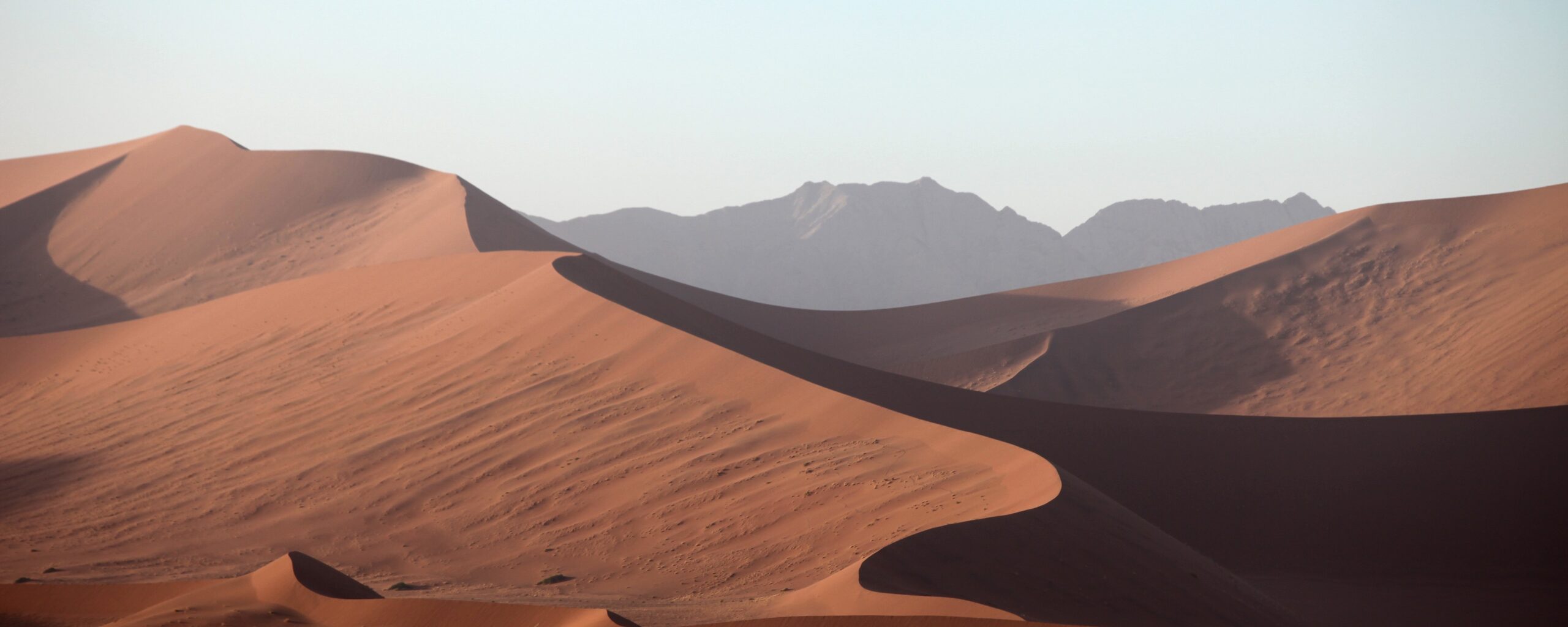
A tool built to investigate the hidden world beneath Antarctic ice is now being used to search for something equally precious beneath the desert floor: water.
 BAS originally developed a highly sensitive radar system with University College London to measure how quickly ice shelves melt – a vital window into how our polar regions are responding to climate change.
But, when BAS scientists realised the same technology might also detect water hidden deep underground, a new opportunity emerged. With support from the Government Office for Technology Transfer (GOTT), BAS is exploring how the radar could be adapted to help people in regions where accessing water is a daily struggle – including parts of Africa, the Middle East, India and South-East Asia.
In many of these areas, groundwater is the most reliable source of water. Yet finding it can be expensive, slow and uncertain. Drilling is often guesswork; many attempts fail, wasting time, money and precious resources. Our adapted radar offers a smarter alternative. By reading subtle signals below the Earth’s surface, it can indicate where water is present, whether a site is worth drilling and how groundwater levels change over time. Starting with field trials in Morocco, South Africa and India, this project has inspired interest from NGOs, local water providers and municipal authorities. They see the potential not just to find new sources of water, but also to monitor long-term supply, identify leaks and better protect water quality.
For BAS, this project shows how ideas born in Antarctica can open unexpected doors. A radar built for the polar ice is now revealing possibilities in some of the driest places on Earth – a reminder that the tools we develop for one extreme environment can sometimes help meet urgent needs in another.