
Building Britain’s edge in extreme architecture
On the icy edge of Antarctica, the UK has built more than a new home for discovery. It has helped grow a world-leading British design success story.
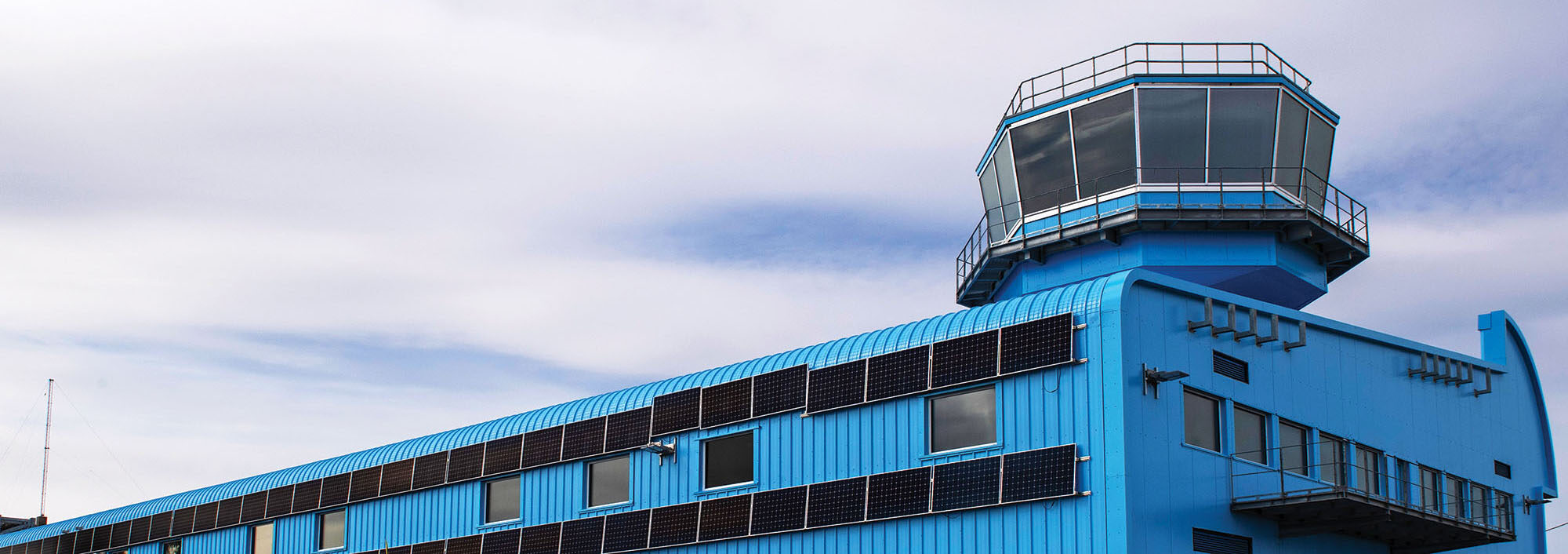
 The completion of Discovery Building at Rothera Research Station is the latest milestone of the Antarctic Infrastructure Modernisation Programme – a major upgrade of the UK’s main polar research station in Antarctica.
Due for completion in 2026, the new 4,500 m² facility – roughly the size of 16 tennis courts – replaces a number of ageing buildings, some more than 50 years old, with a single, modern hub designed to support science and station life in one of the most challenging environments on Earth.
Inside, the building brings together essential services – power generation, supply of drinking water, engineering and vehicle workshops, an operations tower, medical facilities, storage, office and fitness areas. Bringing these services under one roof improves safety, efficiency and living conditions for the scientists and support staff working year-round in Antarctica.
The building is also designed to reduce environmental impact. Solar panels, smart energy systems and new combined heat and power generators are expected to cut emissions from running the station by around 25% – helping the UK deliver polar research more efficiently while supporting the science needed to understand climate change.
But the impact goes beyond Antarctica.
BAS’s long-standing working relationship with Hugh Broughton Architects, beginning with the award-winning Halley VI Research Station, has helped the practice establish a global reputation in extreme-environment design. Since winning the Halley VI competition in 2005, the firm has quadrupled in size, growing from four to 18 people. Polar-related work has generated more than £9 million in income and today more than half of its work now comes from national Antarctic programmes in countries including Australia, New Zealand, Spain and the United States.
Halley VI became a standout British success in its own right. It won 17 international design awards, featured in the UK’s GREAT campaign and gained attention far beyond science and architecture – appearing on television, radio, in books, exhibitions and even in a Hollywood film.
Crucially, the expertise developed through BAS projects has helped Hugh Broughton Architects to win work far beyond the polar regions. It has secured contracts for Ministry of Defence facilities on the Scottish island of St Kilda and a health facility on Tristan da Cunha, the world’s most remote inhabited island. It also led to invitations to collaborate on unconventional projects, including a NASA study into habitable space for astronauts travelling to Mars and the design of a prototype Mars House, which was built on the dockside in Bristol.
This is a clear example of public investment driving growth. By backing frontier science, BAS is not only enabling discovery in Antarctica. It is helping create exportable UK expertise in architecture, engineering and sustainable design – supporting jobs, generating income and opening up new international markets.
Antarctica demands constant innovation. The Discovery Building shows how supporting science at the edge of the Earth can deliver benefits far beyond it.