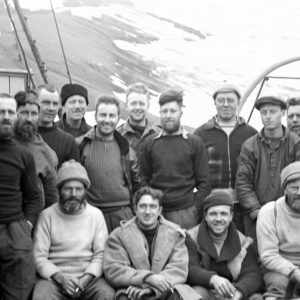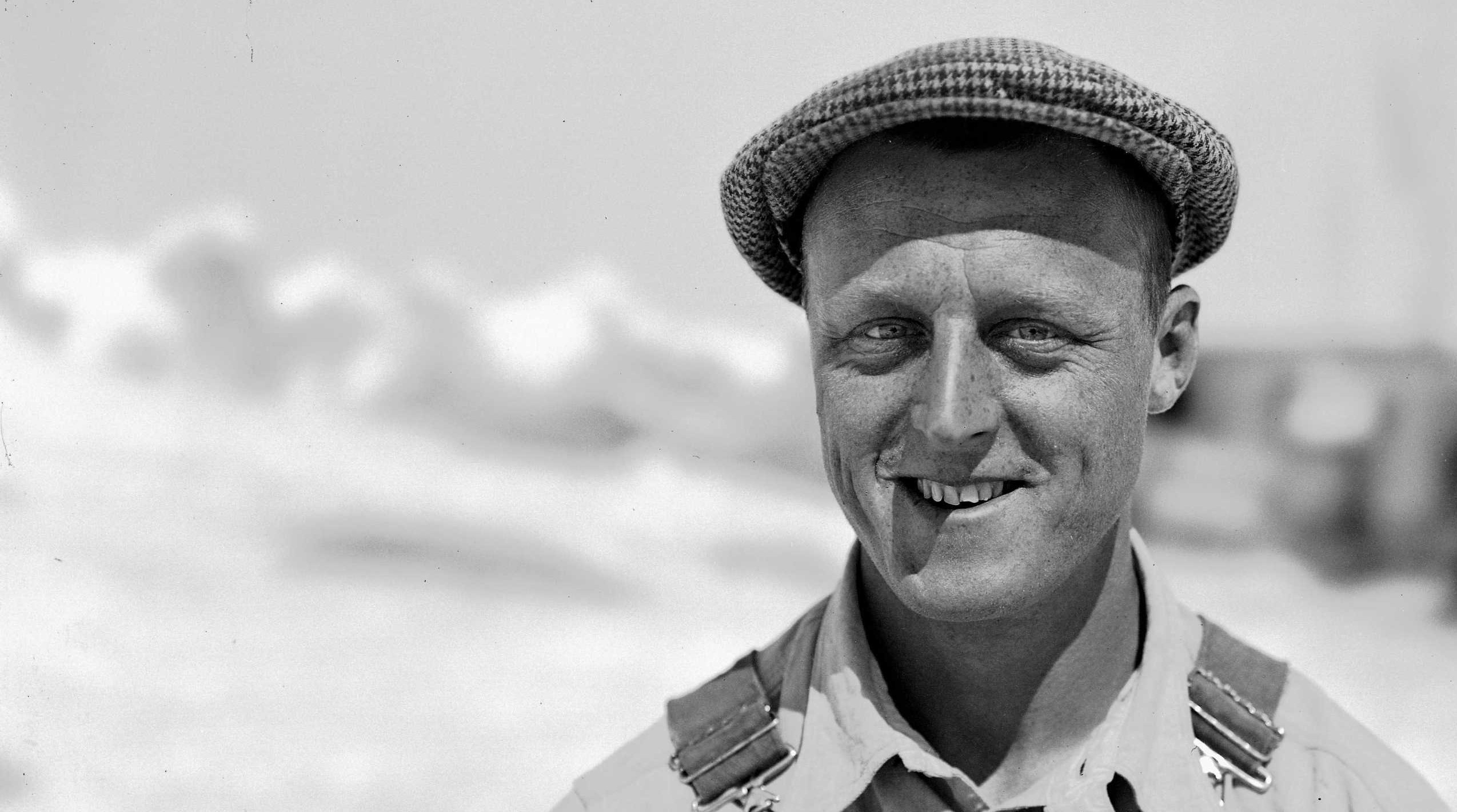
Welcome to our Operation Tabarin 80th anniversary page. Illustrated with content from British Antarctic Survey Archives - photos, film, reports, journals and personal diaries - the below themed pages reveal more about this important expedition. They provide a uniquely detailed account of the expedition and the nature of Antarctic scientific research at this time, created by those involved.We start with "Sailing South". Subsequent themes are in approximate chronological order, and reveal the daily challenges and joys experienced by these early pioneers.
Sailing South
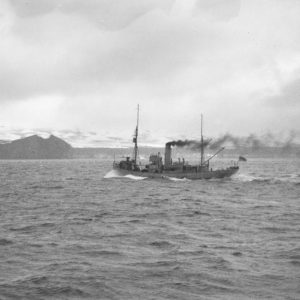
On 29th January 1944 the HMS William Scoresby captained by Lieutenant Victor Marchesi and the SS Fitzroy under Captain Keith Pitt departed Stanley bound for the South Shetland Islands and the Antarctic Peninsula.
First steps
On 3rd February 1944 the HMS Scoresby and SS Fitzroy arrived at Deception Island, site of the first base to be established by Operation Tabarin.
Settling in
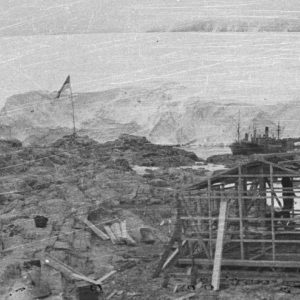
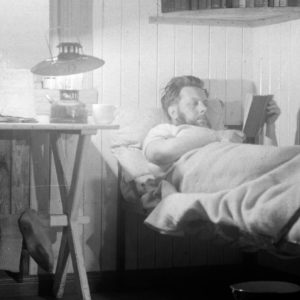
With bases established at the whaling station on Deception Island (Base B) and at Port Lockroy (Base A) the members of Operation Tabarin set about settling into their new surroundings.
Early exploration
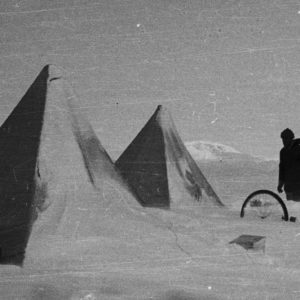
The commander of Operation Tabarin, James Marr, began to plan the expedition’s first major sledging trip, a survey journey to nearby Wiencke Island.
Scientific discovery
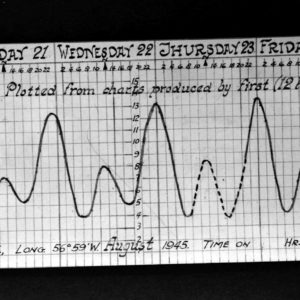
Scientific research formed a key component of Operation Tabarin. Despite the exigencies of the Second World War, expedition commander James Marr was a trained zoologist and assembled a range of scientists and specialists to join his team.
Transition
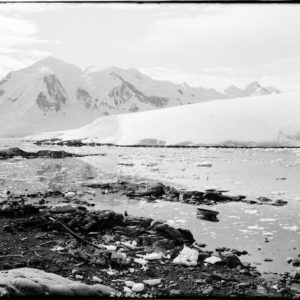
With the coming of the Antarctic summer and break-up of the sea ice, physical contact with the outside world resumed and preparations for the following year began.
Hope Bay
On the 12th February 1945, one year and five days after their previous attempt to establish a base, members of Operation Tabarin returned to Hope Bay aboard the SS Eagle.
Dog sledging
In early 1945 the SS Eagle under Captain Robert Sheppard arrived at Deception Island carrying twenty-five huskies from Labrador Canada. These were the first dogs to come south as part of Operation Tabarin.
Celebrations
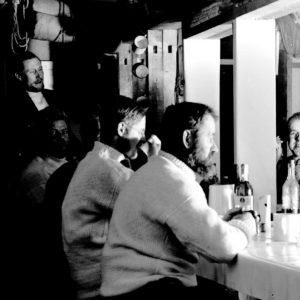
Midwinter’s Day marks the shortest period of daylight in the year and has long featured prominently in the polar calendar. For the winterers of Operation Tabarin it was a day of celebration.
A new beginning
As the year 1946 approached the twenty-one winterers of Operation Tabarin waited impatiently for news of their relief. Surgeon Commander Edward Bingham and a new team of winterers were heading South aboard the MV Trepassey under the command of captain Robert Sheppard.