
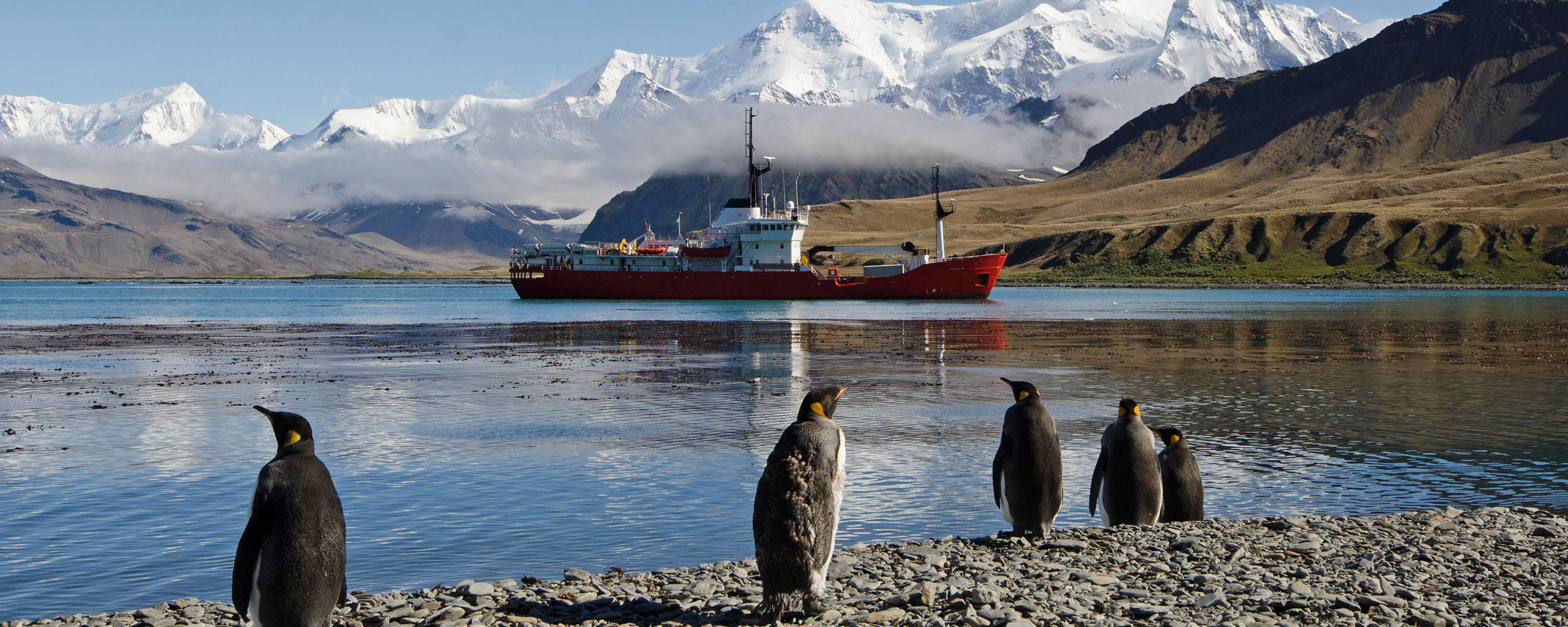
What is CCAMLR? Protecting Antarctic Marine Life Since 1982
The Convention on the Conservation of Antarctic Marine Living Resources (CCAMLR) came into force in 1982 as a key part of the Antarctic Treaty System. Established in direct response to growing concerns over rising krill catches in the Southern Ocean, CCAMLR was created to protect krill populations and the wider marine ecosystem — including the birds, seals, and fish that depend on krill as their primary food source.
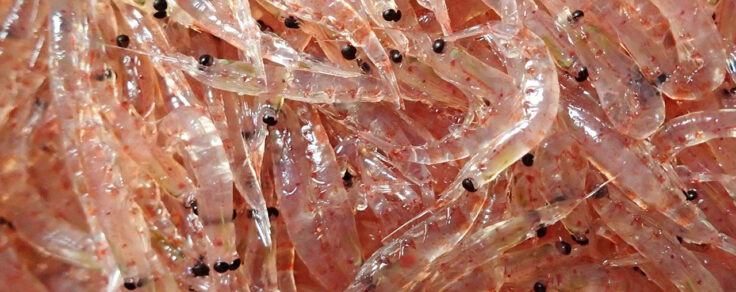
Antarctic krill (Euphausia superba)
CCAMLR’s Mission: Conservation and Sustainable Harvesting
The goal of CCAMLR is to conserve Antarctic marine life while allowing sustainable harvesting. Fishing and other forms of harvesting are permitted under the Convention, provided they are carried out responsibly and do not threaten the long-term health of the ecosystem. To achieve this, the Convention established two governing bodies: the CCAMLR Commission and its Scientific Committee, which work together to manage marine living resources across the Southern Ocean.
The Southern Ocean: A Unique and Closed Ecosystem
The Southern Ocean encircles the continent of Antarctica and is naturally defined by the Antarctic Convergence — the boundary where cold Antarctic waters meet warmer northern waters. This convergence acts as a powerful biological barrier, making the Southern Ocean a largely self-contained, closed ecosystem. This geographic isolation makes conservation efforts both critical and uniquely challenging.
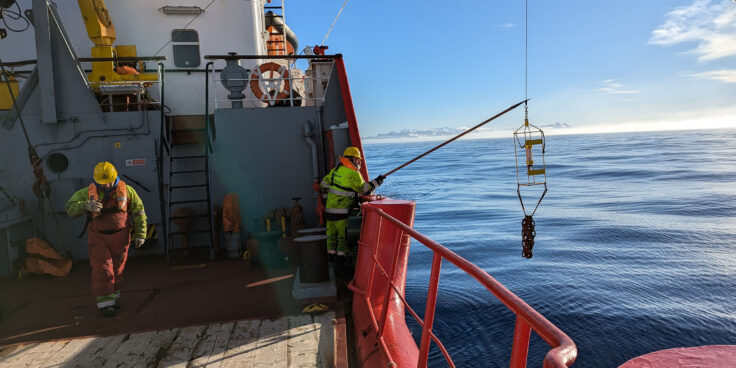
Working onboard MV Pharos SG, a multi-purpose patrol and logistics support vessel
CCAMLR and the Ecosystem Approach to Fisheries Management
CCAMLR and its Scientific Committee were pioneers in developing what is now widely known as the ecosystem approach to fisheries management. Unlike traditional fisheries regulation, which focuses only on the species being harvested, the ecosystem approach considers the broader impact of fishing on all dependent and related species within the marine environment.
By assessing the overall health and status of the Southern Ocean ecosystem, CCAMLR has become a global leader in sustainable fisheries management. Its work continues to address the significant challenge of understanding and protecting the full complexity of Antarctic marine ecosystems.