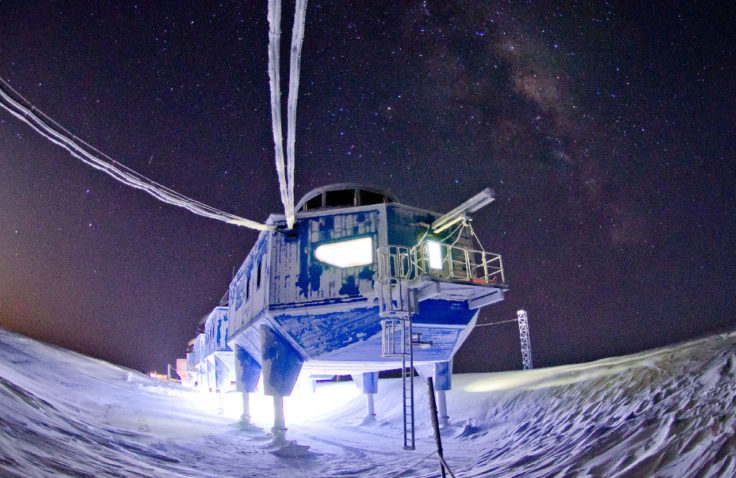
Ancient ice inspires Royal College of Art glass artist
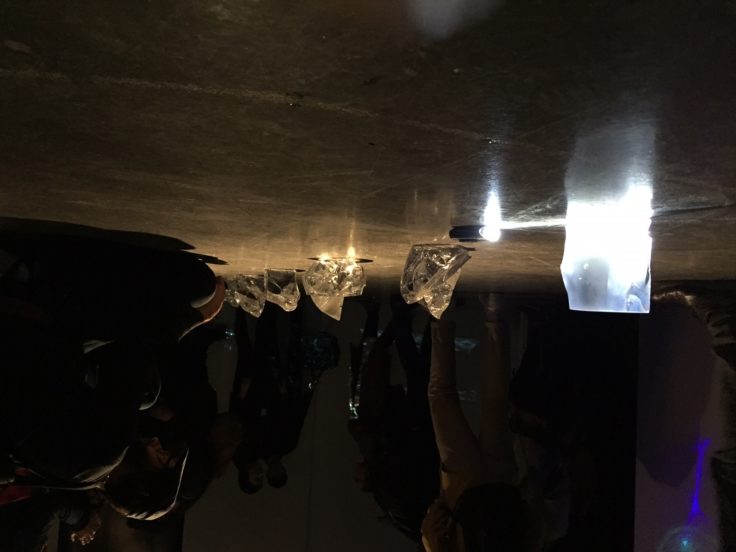
Data as art captivates a London audience

349 to 360 of 574 results
Data as art captivates a London audience
Celebrating 25 years of environmental protection in Antarctica
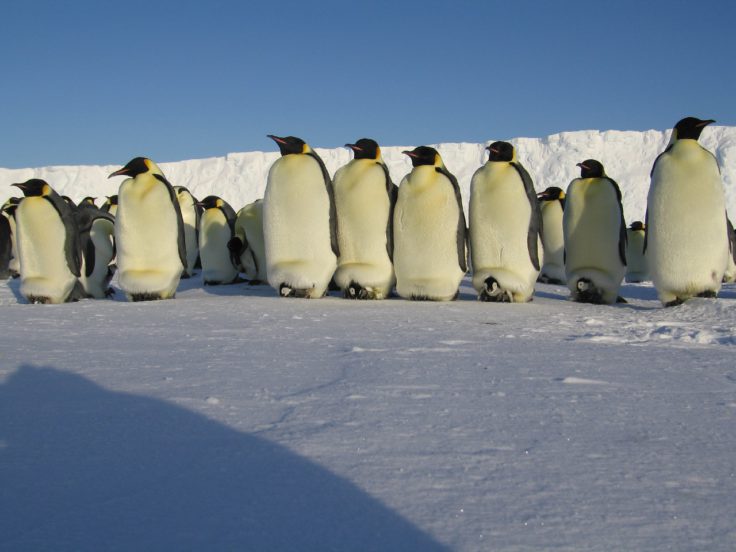
New blog from ecologist Jes Bartlett who’s heading to spend the summer working at Signy Island Research station. Here she talks about preparing cargo in her blog: The Cargo Deadline […]
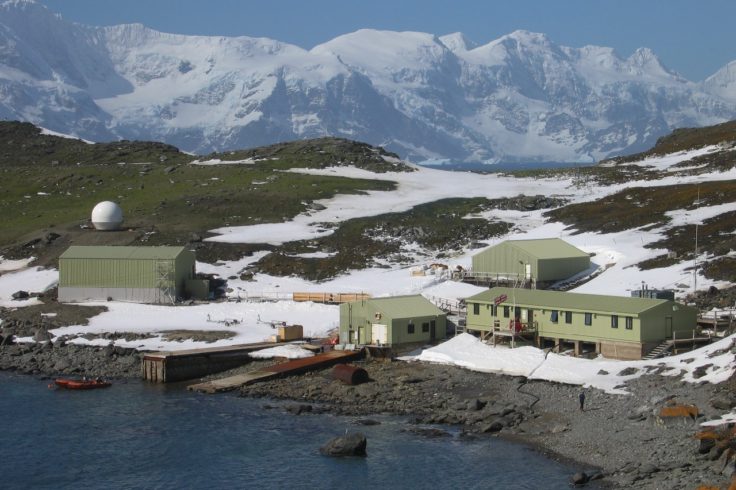
Research beneath Antarctica’s vast ice sheets has revealed mountain ranges the size of the Alps, lakes bigger than Windermere, rivers, streams and ancient volcanoes. But why should we care? Professor […]

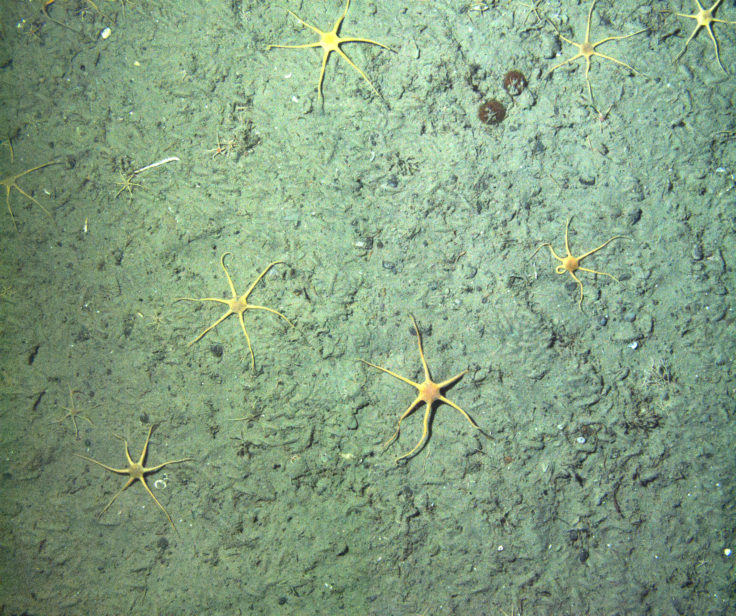
A new marine biodiversity study in one of the largest Marine Protected Areas in the world reveals the impact of environmental change on subantarctic seabed animals and answers big questions […]
Researchers and games developers have joined forces to explain how climate change is affecting Antarctica. A new game called ‘Ice Flows’ launches today (Tuesday 23 August) at an international science meeting in Malaysia.

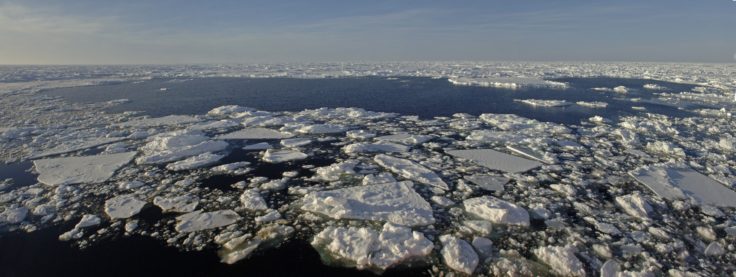
A team of British climate scientists comparing today’s environment with the warm period before the last ice age has discovered a 65% reduction of Antarctic sea ice around 128,000 years […]
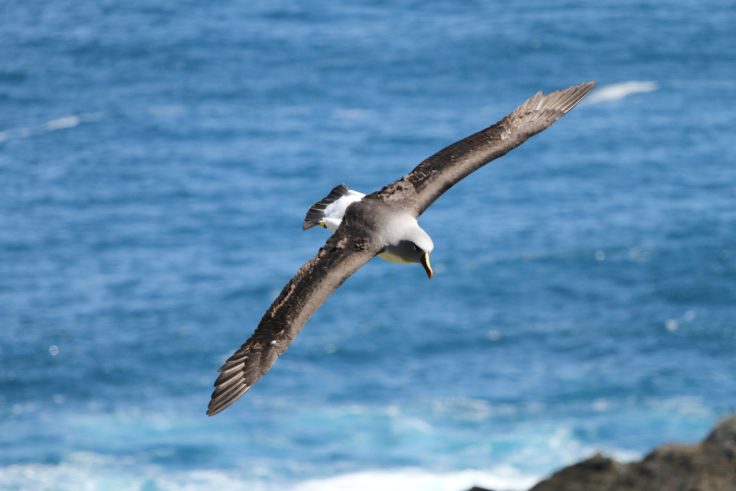
A review of breeding distributions, population trends, threats and key priorities for conservation actions on land and at sea for the 29 species covered by the Agreement on the Conservation […]
An international team of scientists have used air bubbles in polar ice from pre-industrial times to measure the sensitivity of the Earth’s land biosphere to changes in temperature.
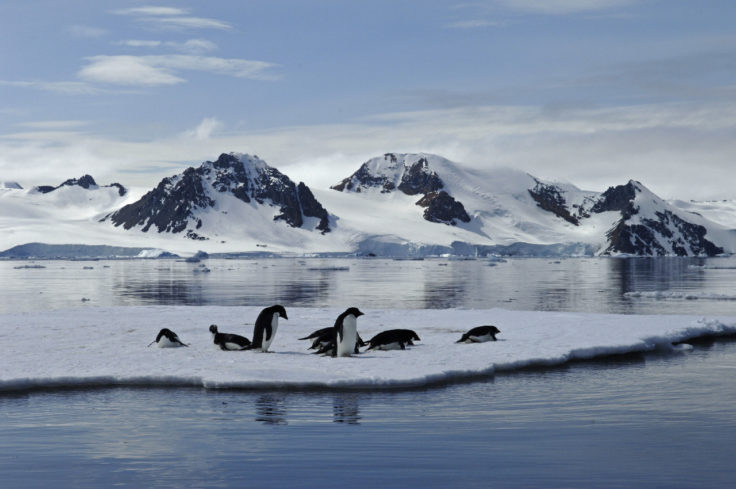
The rapid warming of the Antarctic Peninsula, which occurred from the early-1950s to the late 1990s, has paused. Stabilisation of the ozone hole along with natural climate variability were significant in bringing about the change. Together these influences have now caused the northern part of the peninsula to enter a temporary cooling phase. Temperatures remain higher than measured during the middle of the 20th Century and glacial retreat is still taking place. However, scientists predict that if greenhouse gas concentrations continue to rise at the current rate, temperatures will increase across the Antarctic Peninsula by several degrees Centigrade by the end of this century.
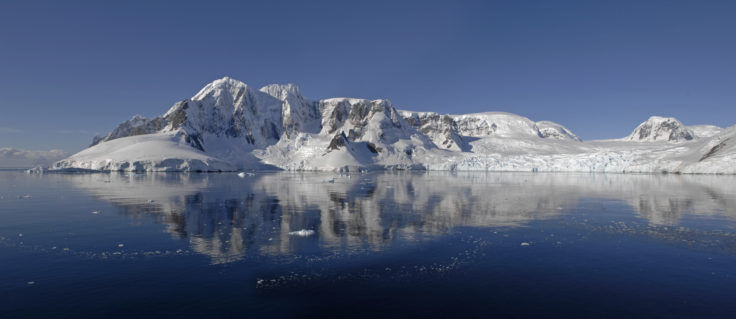
A new study has found for the first time that ocean warming is the primary cause of retreat of glaciers on the Antarctic Peninsula. The Peninsula is one of the largest current contributors to sea-level rise and this new finding will enable researchers to make better predictions of ice loss from this region.
The Farnborough International Air Show is the next stop for a touring exhibition which highlights what space missions can learn about the isolation that confronts people who work in Antarctica. […]